The Interplay Between Secure Payment Gateways and User Retention Rates in Virtual Gaming Sites
Freya Schmitt · Aug 21, 2026
The Interplay Between Secure Payment Gateways and User Retention Rates in Virtual Gaming Sites
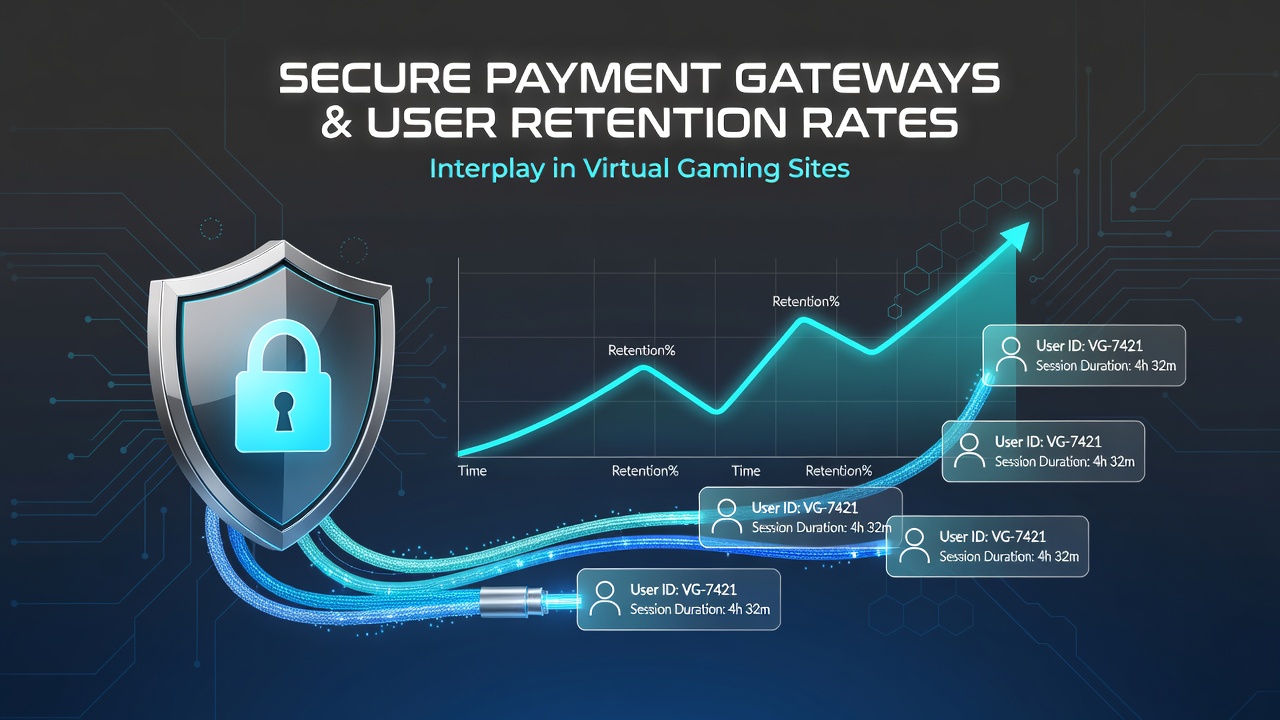
Virtual gaming sites depend on secure payment gateways to process deposits and withdrawals while protecting user data through encryption protocols and compliance with standards such as PCI DSS, and researchers have documented clear connections between these security features and sustained user engagement over extended periods. Platforms that implement multi-factor authentication alongside real-time fraud detection systems report measurable differences in how long players continue returning to their accounts compared with those using less rigorous methods.
Core Components of Secure Payment Systems
Payment gateways in virtual gaming environments incorporate tokenization to replace sensitive card details with unique identifiers that prevent direct exposure during transactions, while biometric verification adds another layer that many operators adopted widely by August 2026. These elements combine to reduce unauthorized access incidents, and figures from regulatory bodies show that sites meeting updated international security benchmarks experience fewer account compromises that could otherwise prompt users to abandon their activity.
Operators integrate APIs from established financial processors that support regional preferences including e-wallets and bank transfers, and this flexibility allows platforms to serve diverse geographic markets without compromising on verification speed. Data indicates that when transaction success rates exceed 98 percent due to reliable gateway performance, repeat visit frequency increases because users encounter fewer interruptions that might otherwise lead them elsewhere.
Links Between Transaction Security and Retention Metrics
Studies tracking user behavior across multiple platforms reveal that perceived payment safety directly influences decisions to maintain active accounts rather than migrate to competitors, with retention rates climbing when sites display visible security certifications at checkout. One analysis of North American operators found that those emphasizing end-to-end encryption retained approximately 25 percent more monthly active users over a twelve-month window than peers with basic protections only.
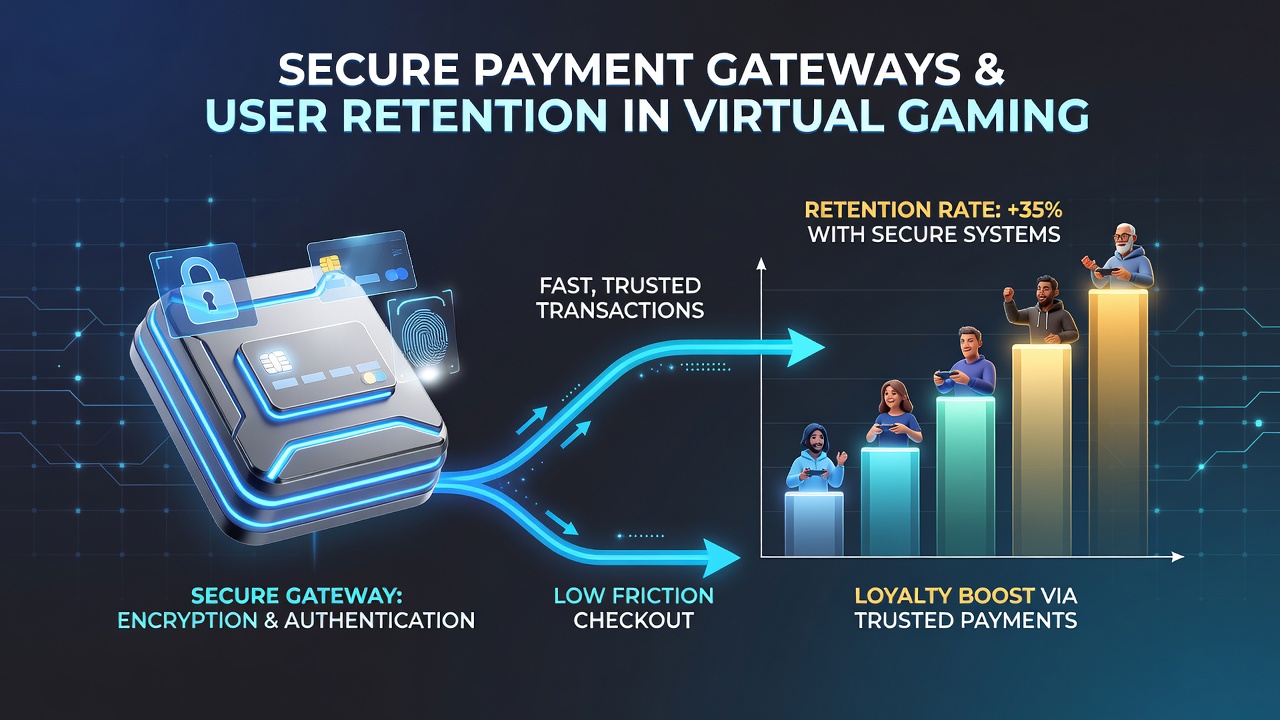
Observers note that withdrawal processing times serve as another retention factor, since delays often stem from additional security checks that users accept when they understand the protective intent. In contrast, platforms that streamline these steps through advanced gateway technology see lower churn, and Canadian regulatory reports highlight how streamlined yet secure processes correlate with higher lifetime value per account.
Regional Regulatory Influences on Gateway Standards
Agencies across different jurisdictions enforce varying requirements for payment security, and the Alcohol and Gaming Commission of Ontario outlines specific expectations for licensed operators regarding data protection that affect how gateways must function to maintain compliance. These rules encourage adoption of technologies that not only prevent fraud but also build long-term trust, leading operators to invest in systems that support ongoing user activity rather than one-time visits.
Industry reports from the Alcohol and Gaming Commission of Ontario document how adherence to such standards has coincided with improved retention statistics in regulated markets, while similar patterns appear in analyses from Australian oversight bodies that track transaction integrity alongside player return rates. Sites that align early with evolving mandates avoid disruptions that could otherwise interrupt user habits and reduce engagement levels.
Technological Advancements Shaping Future Interactions
By August 2026 many virtual gaming sites had incorporated blockchain-based verification options into their gateways, allowing transparent yet private transaction records that appeal to users concerned about data handling practices. These additions complement traditional methods and contribute to retention when players notice consistent reliability across deposit and payout cycles.
Researchers continue examining how artificial intelligence integrated into fraud monitoring systems can predict and prevent issues before they affect user experience, and preliminary findings suggest that proactive interventions maintain account activity at higher rates than reactive approaches alone. Operators who deploy such tools report sustained growth in returning users because fewer transactions trigger unnecessary holds or verifications.
Conclusion
Secure payment gateways and user retention rates in virtual gaming sites demonstrate interconnected dynamics where stronger protections support longer-term engagement patterns across various markets. Evidence from regulatory sources and operational data shows consistent associations between transaction reliability and continued platform use, with regional standards and technological updates playing ongoing roles in shaping these outcomes. Platforms that prioritize these elements position themselves to sustain user bases through dependable financial interactions that align with broader expectations for safety and efficiency.